We mediate efficient utilisation of our leading national supercomputing infrastructure in order to increase the competitiveness and innovation of Czech science and industry. IT4Innovations primarily provides computational resources to researchers and academics from the Czech Republic within Open Access Grant Competitions. From 2013 to the end of 2023, 2.174 projects in various scientific fields, such as new materials and drug design, physics laws discovery, engineering problems, rendering, and scientific data visualisation, to projects addressing cybersecurity, advanced data analytics, and AI tasks, have received computational resources.
what do our supercomputers solve?
users of our supercomputers
Alžběta Špádová
from the Czech Technical University in Prague and ELI-Beamlines
„In my research, I focus primarily on optimising the parameters of the accelerated electron beam, such as energy or charge. For me, a supercomputer is a non-stop virtual laboratory where I can test dozens of experiments without firing a single laser shot.“
Renáta Praksová
from IT4Innovations
„Supercomputers are like a factory for computations. I frequently utilise the power of supercomputers across various fields in my research – for instance, in modelling and predicting both standard and “unusual” states (such as faults) in the energy sector, and lately, primarily for the optimisation of nanostructures.“
Andrea Nedělníková
from VSB-TUO and CATRIN, Palacký University in Olomouc
„I once imagined my future in a laboratory; today I use computational chemistry as an atomic-scale ‘microscope’.
For me, a supercomputer is the bridge between equations and the behaviour of biomolecules.“
Debora Lančová
from the Institute of Physics
at the Silesian University in Opava
„For me, a supercomputer is like a laboratory that we cannot build on Earth, but can simulate instead. With its help, I model the flow of magnetised gas – plasma – in the immediate vicinity of black holes.“
Ivana Miháliková
from Matej Bel University
in Banská Bystrica and at the Slovak Academy of Sciences
“To me, a supercomputer is like a quantum computer simulator: I can safely test quantum algorithms on it before deploying them in the real quantum world.”
Martin Vrábel
z IT4Innovations
“For me, a supercomputer is like a time accelerator – what would normally take me months to solve, I can manage in a matter of days thanks to a supercomputer.”
Michael Komm
Institute of Plasma Physics, Czech Academy of Sciences
“The first and only supercomputer I ever visited was at IT4Innovations (IT4I) in Ostrava on the occasion of its commissioning. The IT4I building and the equipment of its data room left me with a very positive impression. Touring the data room in a reduced oxygen atmosphere was a bit of an adrenaline rush.”
Štěpán Sklenák
J. Heyrovský Institute of Physical Chemistry of the Czech Academy of Sciences
“I only started using supercomputers at IT4Innovations in Ostrava. However, in 1999, I saw the decommissioned CRAY supercomputer on display at a conference in Boulder, CO, USA, along with an exhibition about Cray's founder, Mr. Seymour Cray.”
Jiří Klimeš
Charles University in Prague
“I've been performing computations using IT4Innovations (IT4I) supercomputers nearly since their inception, with my very first application for computational resources being submitted in 2015 when the Salomon supercomputer was launched. A large part of our research needs to perform computationally intensive calculations. Without IT4I, the situation would have been much more difficult for me upon my return from abroad.”
Martin Friák
Institute of Physics of Materials of the Czech Academy of Sciences
“It is primarily Karolina and Barbora which help us immensely in our work. However, as we have been loyal and satisfied users of IT4Innovations for many years, we also used Anselm and Salomon when these systems were still in operation.
Karolina is helping us with simulations of quantum computers running in collaboration with the Massachusetts Institute of Technology (MIT) in the USA.”
Jakub Šístek
Institute of Mathematics of the Czech Academy of Sciences
“I have used the IT4I supercomputers rather continuously since the beginning of the centre.
I have done a lot of large-scale computations on Salomon, and together with my colleagues, we are currently heavily using Karolina for our research. We are looking forward to running our computations on LUMI in a few months.”
Martin Zelený
Brno University of Technology
“I have progressively used all supercomputers except NVIDIA DGX-2 in my work. Now, I am using Karolina and LUMI, without which quantum mechanical calculations are impossible. For these calculations, we use the VASP program.”
SELECTED PROJECTS FROM THE 37th OPEN ACCESS GRANT COMPETITION
Molecular electronic structure calculations
on the VLQ quantum computer
Call: 37th Open Access Grant Competition; OPEN-37-22
Researcher: Libor Veis
Institution: J. Heyrovský Institute of Physical Chemistry, Czech Academy of Sciences
Field: Material Sciences
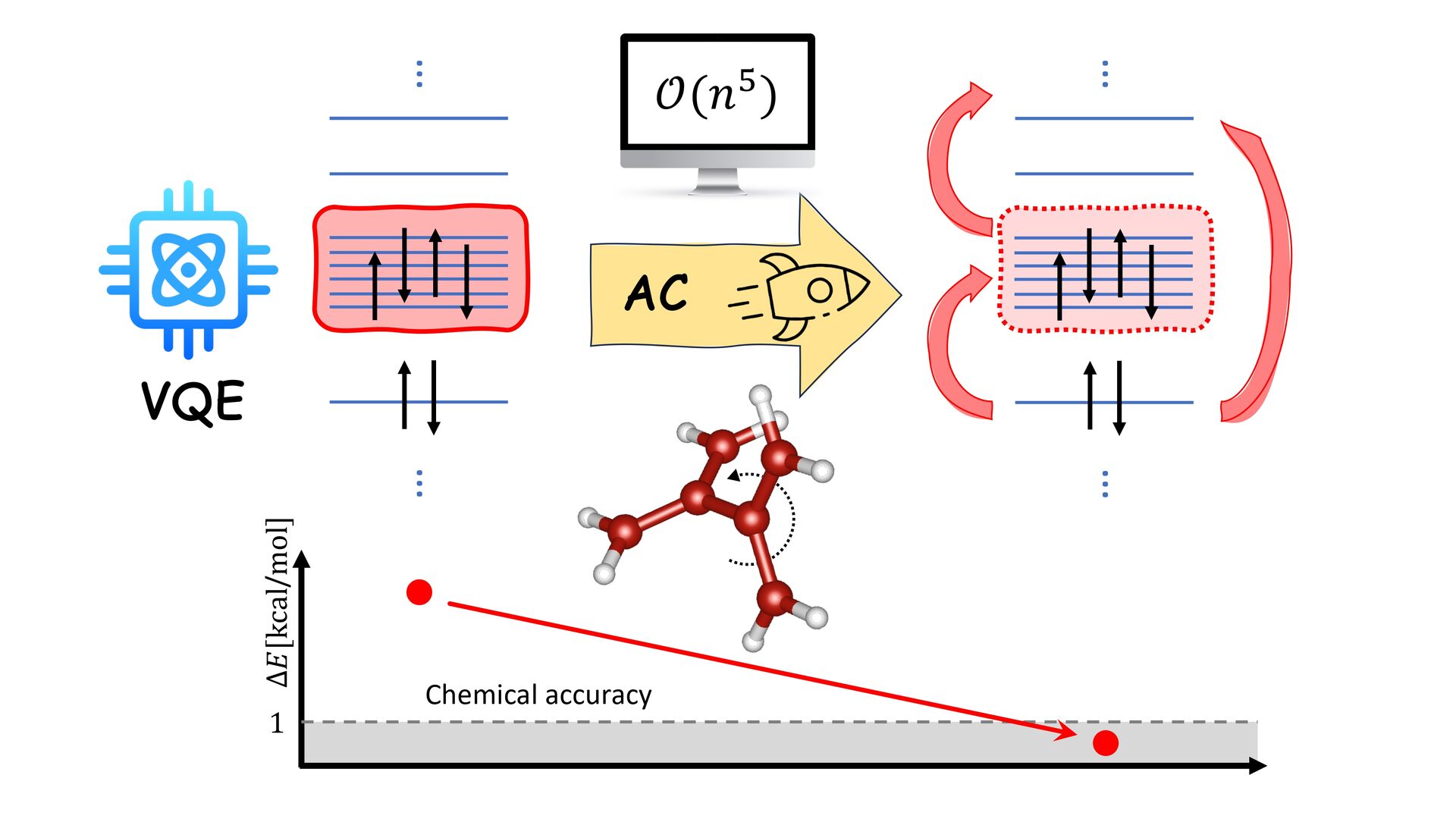
Libor Veis has been awarded computing time on the VLQ quantum computer to develop and test new quantum-classical methods for molecular electronic structure calculations. On VLQ, the researchers will test variational quantum algorithms that combine quantum computing with classical methods. They will focus in particular on molecules with complex electronic bonds, such as systems important for studying chemical reactions or catalysts, where an accurate description of electronic structure is extremely challenging.
The aim is to assess the accuracy, scalability and robustness of these methods against the noise of current quantum computers and to determine which types of molecules they could benefit in the future. The research is part of the “Multiscale Chemical Simulations on Noisy Quantum Computers (MUSIQ)” project supported by the Czech Science Foundation and will contribute to the development of quantum computational chemistry and the exploration of new possibilities for using quantum technologies in scientific computing.
Quantum-enhanced anti-money laundering using dynamic quantum reservoir computing
Call: 37th Open Access Grant Competition; OPEN-37-1
Researcher: Van Binh Henri VU
Institution: IT4Innovations
Field: Informatics
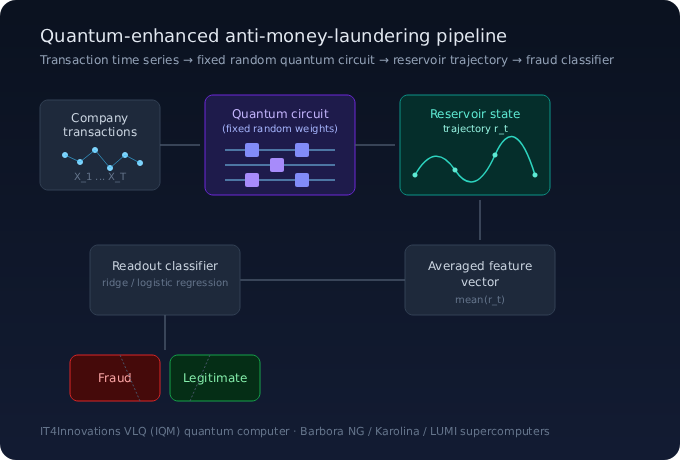
Van Binh Henri VU has been awarded computing time on the Barbora NG, Karolina and LUMI supercomputers, as well as on the VLQ quantum computer, to develop a new method for detecting money laundering using quantum technologies and artificial intelligence. Banks already use artificial intelligence to identify suspicious patterns in financial transactions, but today's "classical" computers often struggle to keep pace with increasingly sophisticated and rapidly evolving methods used by fraudsters.
Van Binh Henri VU is therefore developing a type of brain-inspired quantum system - a hybrid quantum-classical reservoir designed to process company transaction time series, using a dataset and preprocessing pipeline adapted from recent published research on transaction-based fraud detection. Each transaction is fed one at a time into a small, fixed random quantum circuit; the resulting stream of measurements is combined into a reservoir "trajectory" that summarizes a company's transaction history, which a simple classifier then uses to flag suspected fraud.
On the VLQ quantum computer, he will test this approach - known as hybrid quantum-classical reservoir computing - and compare it against classical baselines, including a matched classical reservoir and standard sequence models such as LSTMs, RNNs and GRUs. The aim is to determine whether quantum technologies can enable more accurate detection of financial fraud and reduce the number of false alarms, and to understand how the underlying complexity of transaction data relates to detection performance.
The impact of noise on quantum computing
of the electronic structure of solids
Call: 37th Open Access Grant Competition; OPEN-37-12
Researcher: Martin Friák
Institution: Institute of Physics of Materials of the Czech Academy od Sciences
Field: Material Sciences
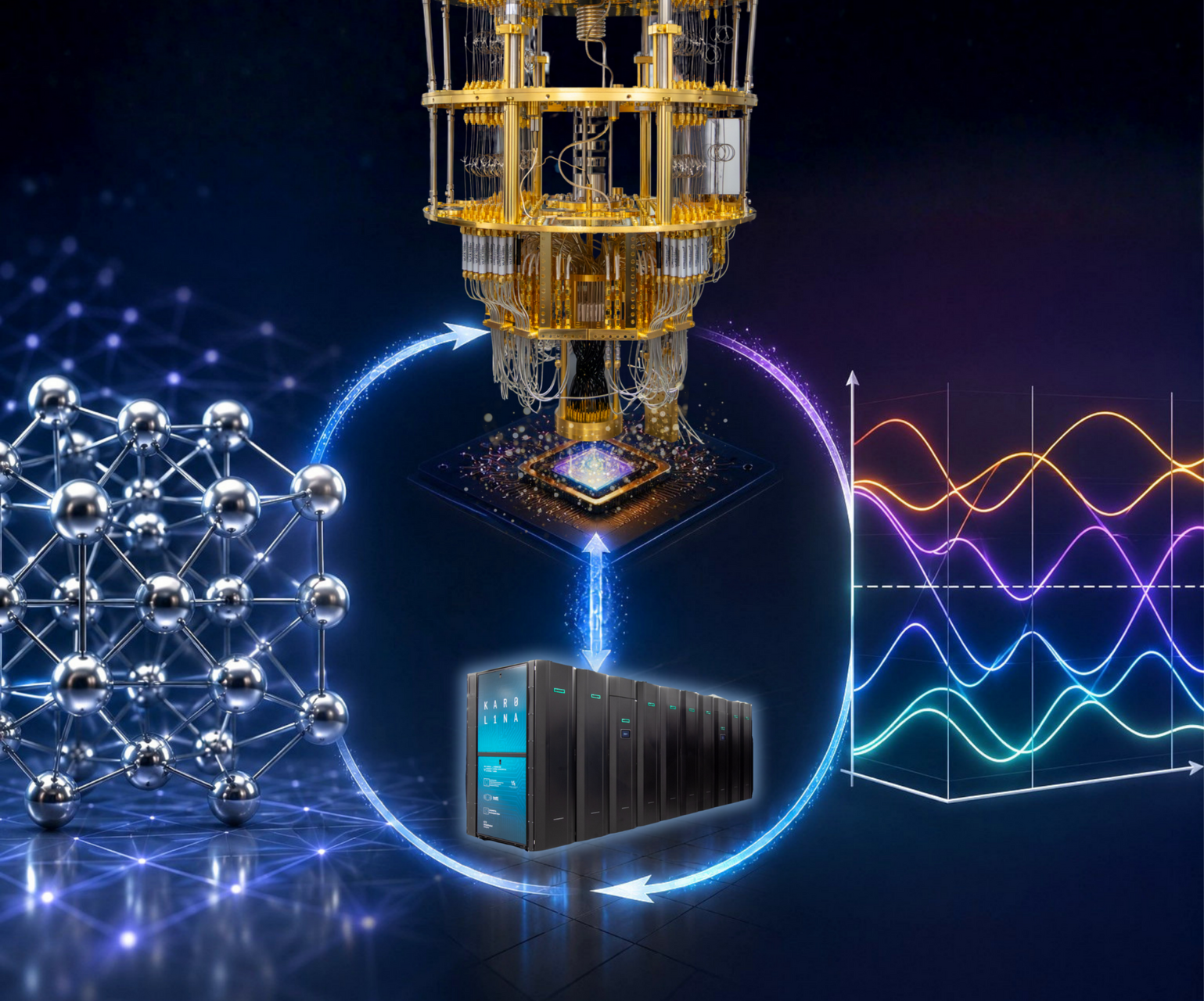
Martin Friák has been awarded computing time on the VLQ quantum computer to research the potential of quantum technologies for calculations of the electronic structure of crystals. Knowledge of electronic structure is essential for accurately predicting material properties, including their physical and chemical characteristics. However, for larger systems, calculations performed on classical computers face high computational demands and limited scalability.
Quantum computers offer a new approach, but current generations are still affected by noise and errors that can influence results. Researchers will therefore use the real VLQ quantum computer to investigate how these factors affect electronic structure calculations and compare the results with quantum simulations performed on the Karolina and Barbora NG supercomputers.
The goal is to better understand the capabilities of current quantum computers and to develop new algorithms and hybrid quantum-classical methods that can help reduce the impact of noise and errors.
Hybrid quantum-classical methods for robust audio deepfake detection
Call: 37th Open Access Grant Competition; OPEN-37-85
Researcher: Anton Firc
Institution: Brno University of Technology
Field: Informatics
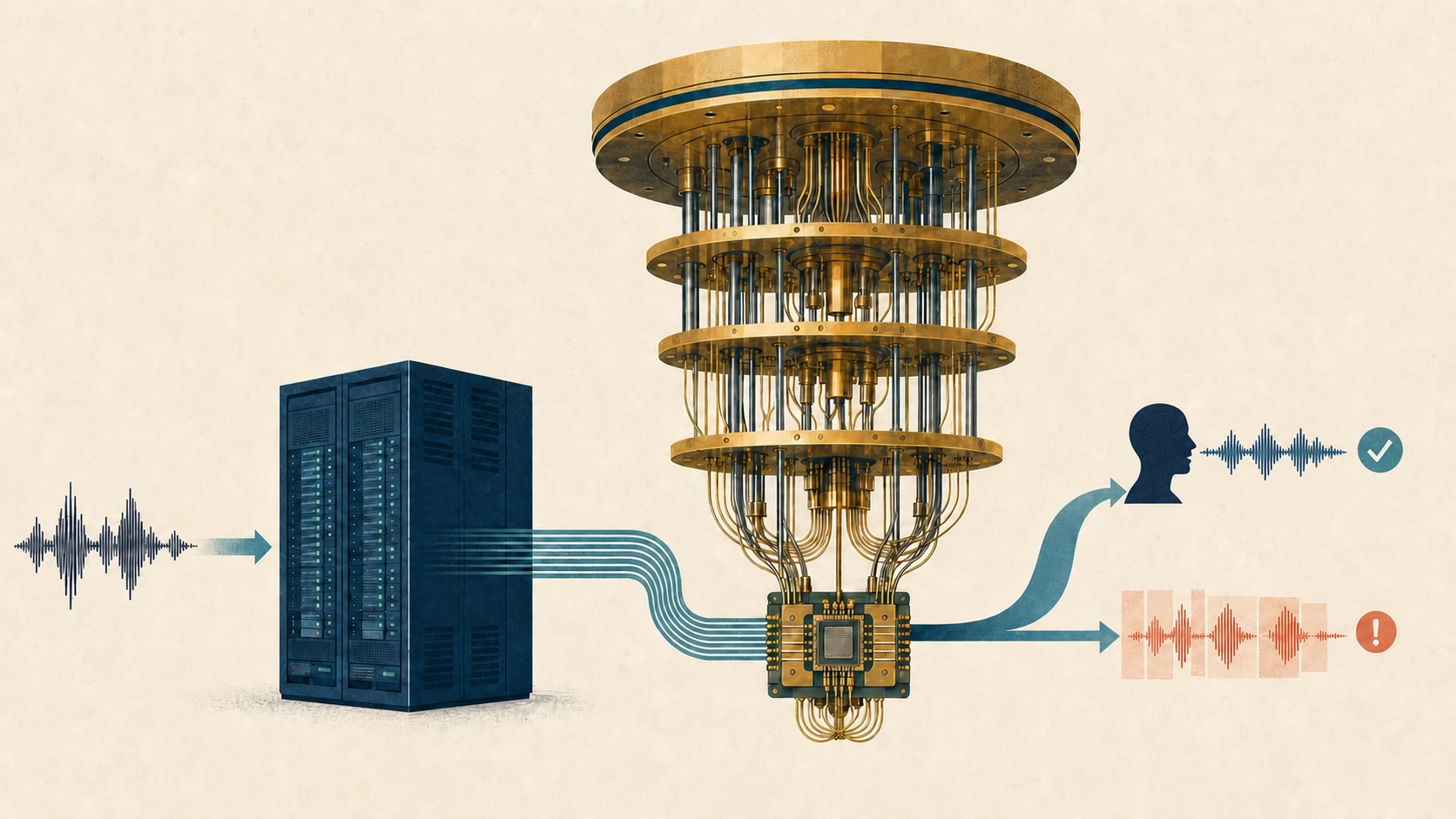
Anton Firc has been awarded computing time on the Karolina and LUMI supercomputers and the VLQ quantum computer to develop new methods for detecting so-called audio deepfakes. Artificial intelligence can now generate increasingly realistic synthetic voices, creating challenges for the trustworthiness of digital communication, media, and security systems.
Researchers from Brno University of Technology are therefore developing hybrid models that combine classical artificial intelligence with quantum components. They will investigate whether these quantum components can improve the reliability of systems for detecting artificially generated speech and determine how they can be most effectively applied to audio data analysis.
The project will also focus on finding more efficient ways to represent and process speech data and on optimising computational workflows. The goal is to develop new approaches for audio forensic analysis that are more robust to changing conditions and could, in the future, contribute to better protection of digital communication.
Quantum and classical computing for Auger spectroscopy of molecules
Call: 37th Open Access Grant Competition; OPEN-37-15
Researcher: Maximilián Lamanec
Institution: IT4Innovations
Field: Material Sciences
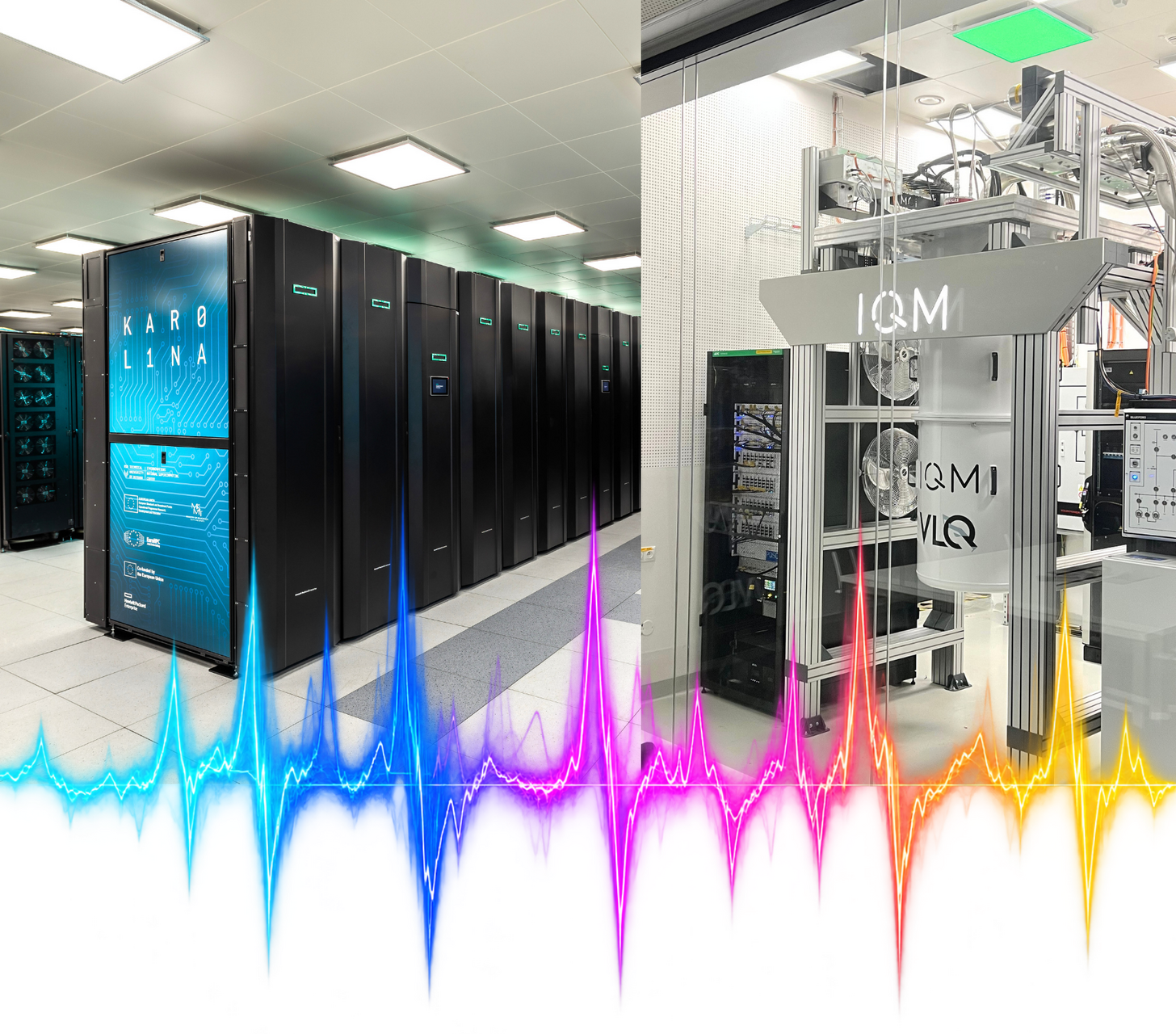
Maximilián Lamanec has been awarded computing time on the Karolina, LUMI and Barbora NG supercomputers, as well as on the VLQ quantum computer, to develop new computational methods that will enable more accurate interpretation of experiments focused on molecular properties. The project focuses on Auger spectroscopy, a method that uses X-rays to study the electronic structure of molecules and processes related to their electronic states.
The project includes the development of a theoretical framework for more accurate simulations of Auger spectra, enabling a better link between experimental data and the electronic structure of molecules. On the VLQ quantum computer, Maximilián Lamanec will test quantum-classical computational approaches for calculating the electronic states of molecules and explore their potential for future use in demanding chemical simulations.
The research results could contribute to the development of methods applicable in chemistry, materials research and other fields where a detailed understanding of molecular properties is important.
High accuracy machine learning force fields
for pharmaceutical research
Call: 37th Open Access Grant Competition; OPEN-37-77
Researcher: Przemyslaw Karol Grenda
Institution: Charles University
Field: Biosciences
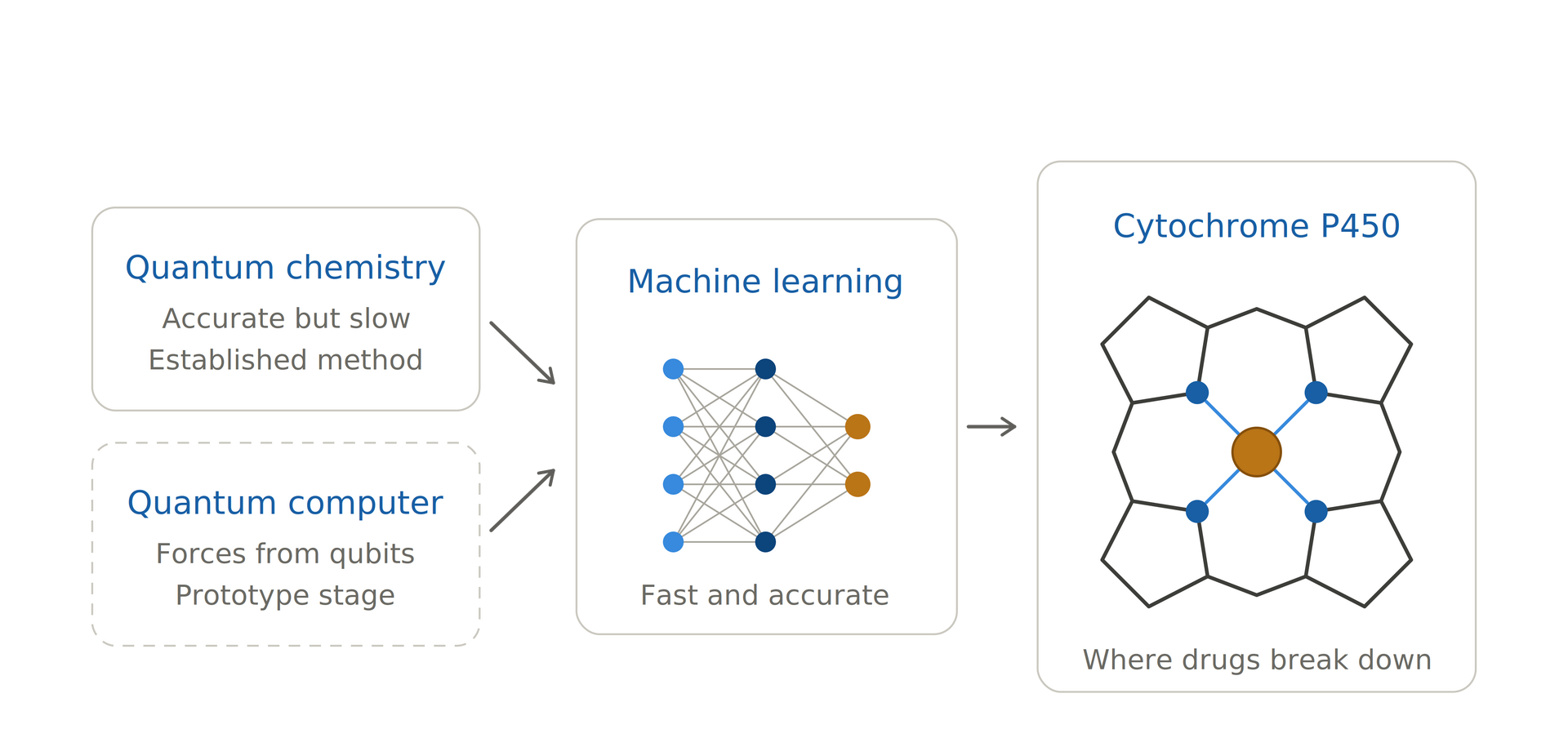
Przemysław Grenda has been awarded computing time on the Karolina and LUMI supercomputers and the VLQ quantum computer to develop new methods combining artificial intelligence, quantum chemistry and quantum computing for simulations relevant to pharmaceutical research. Many modern medicines are processed in the human body by enzymes from the cytochrome P450 family, making an understanding of their behavior essential for the development of safe and effective drugs. At the center of every one of these enzymes sits a heme group, the same iron-containing structure that carries oxygen in hemoglobin and gives blood its red color. In cytochrome P450, however, the iron does something quite different: instead of simply binding oxygen, it uses it to attack and break apart drug molecules. It is precisely this chemistry that makes these enzymes so difficult to simulate.
The researchers are therefore developing machine learning models that can reproduce the results of accurate quantum-mechanical calculations at a significantly lower computational cost. The aim is to create a tool that enables faster, more accurate simulations of interactions between drugs and enzymes involved in their metabolism, which could help reduce the time and financial costs associated with developing new medicines.
The project will also explore using the VLQ quantum computer to generate data needed to train these models. On VLQ, the researchers will test methods for calculating atomic forces using quantum algorithms and investigate their potential use as a basis for developing more accurate machine learning models.
Quantum state tomography from incomplete set
of measurements
Call: 37th Open Access Grant Competition; OPEN-37-38
Researcher: Pavel Baláž
Institution: Institute of Physics of the Czech Academy of Sciences
Field: Material Sciences
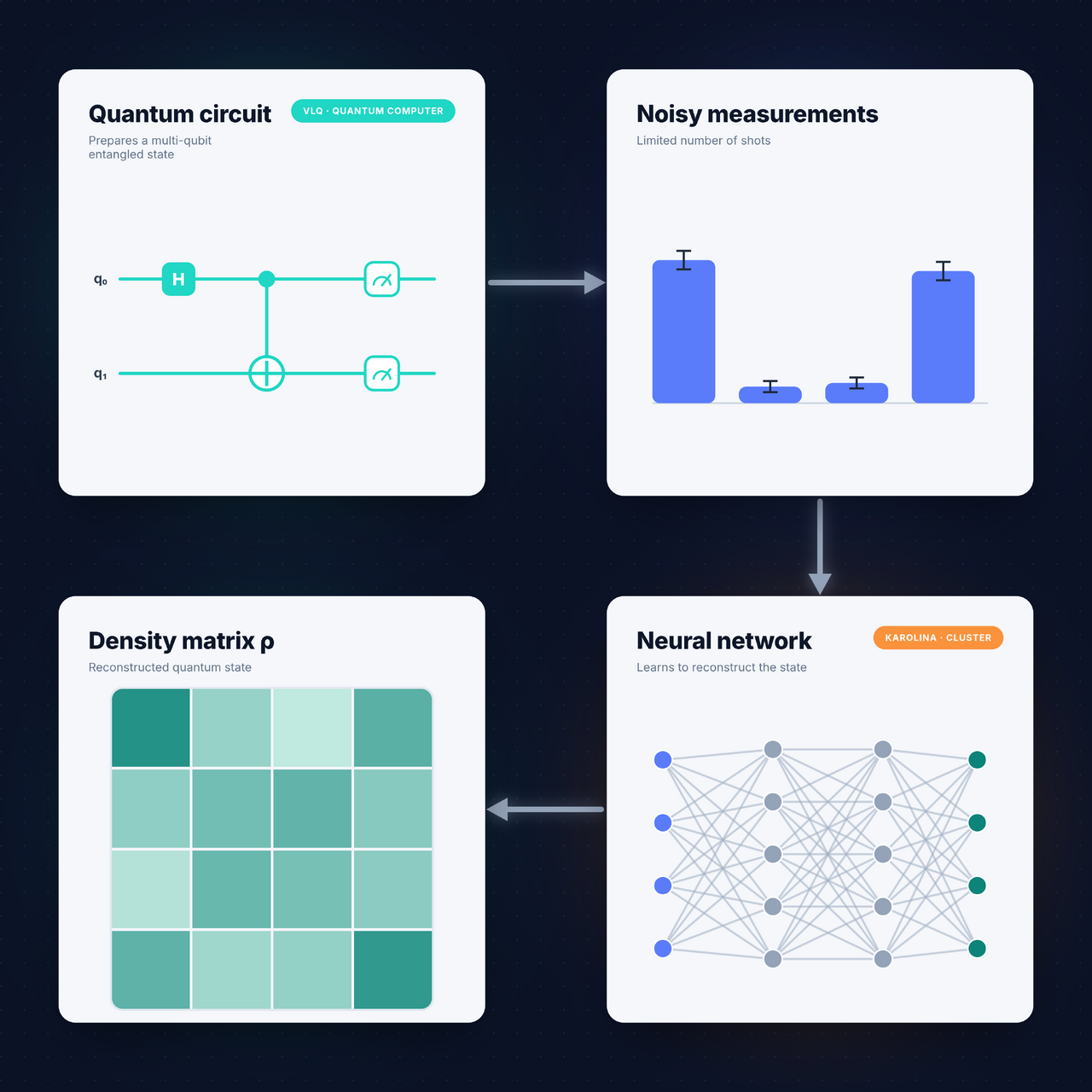
Pavel Baláž has been awarded computing time on the Karolina supercomputer and the VLQ quantum computer to develop a new method that uses artificial intelligence to make it easier to determine the state of quantum systems. To use quantum computers effectively, researchers need to accurately identify the state of their qubits. This process is known as quantum tomography, but for larger quantum systems it requires a huge number of repeated measurements, making it extremely time-consuming and costly.
The project is part of the AI: Artificial Intelligence for Science and Society programme, one of the programmes within the AV21 Strategy. As part of the project, researchers from the Institute of Physics of the Czech Academy of Sciences are developing an artificial intelligence-based method that can reconstruct the most likely state of a quantum system from measurement results, which are inevitably affected by noise. One of the key questions addressed by the project is how many measurements are actually required: whether a complete set of measurements is necessary, or whether the model can work with a significantly smaller amount of data.
On the VLQ quantum computer, researchers will generate data from quantum circuits, which will be used to train and validate the new model. Using the Karolina supercomputer, they will then test its capabilities for different sizes of quantum systems and compare it with other artificial intelligence-based approaches. The goal is to develop a more efficient way of characterising quantum systems that can support the further development of quantum technologies.
Quantum interval power flow
Call: 37th Open Access Grant Competition; OPEN-37-13
Researcher: Michal Belina
Institution: IT4Innovations
Field: Engineering
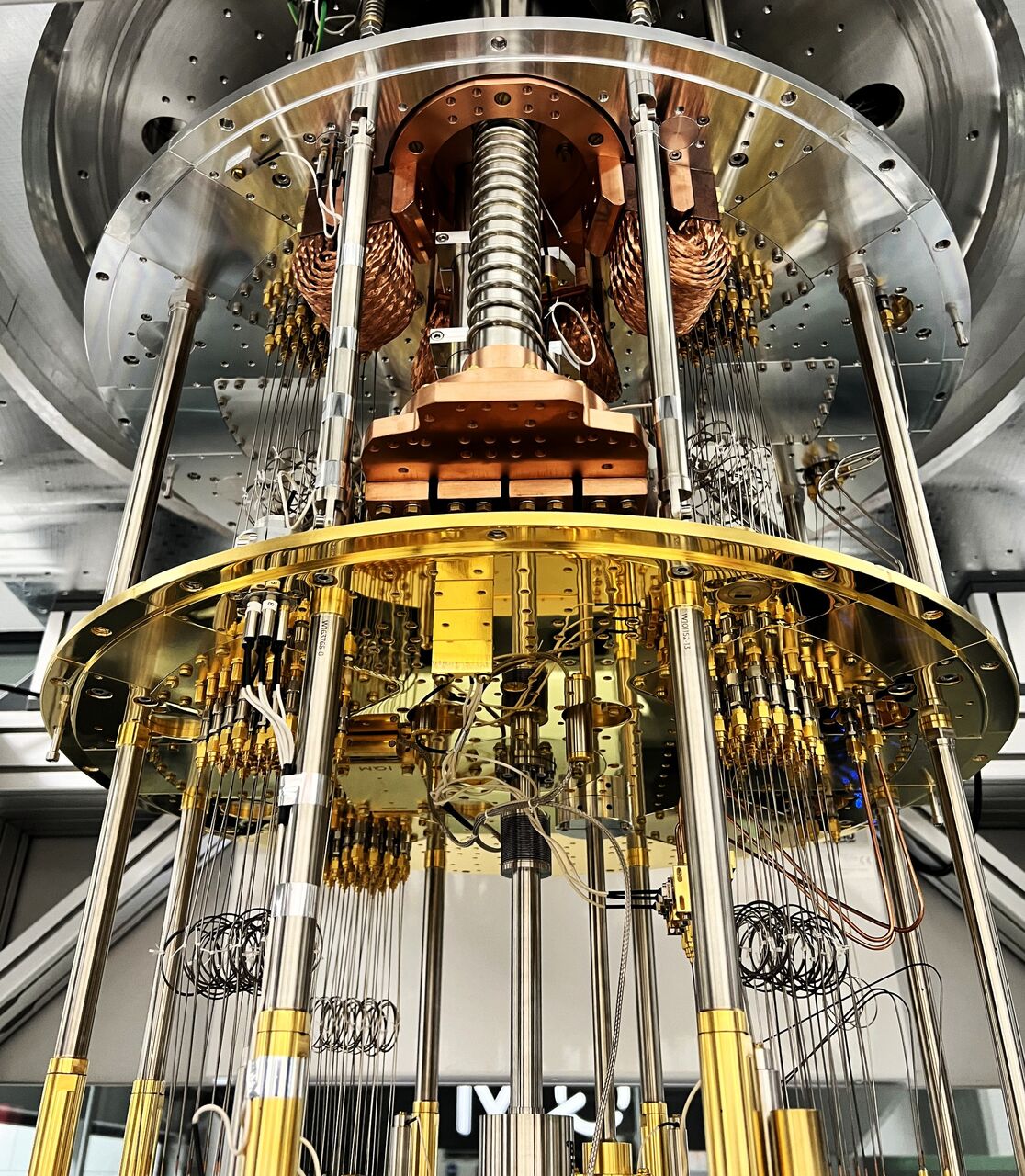
Michal Belina has been awarded computing time on the Karolina supercomputer and the VLQ quantum computer to research the use of quantum computing for the analysis of power grids. The project focuses on interval power flow calculations, which help verify the safe operation of power networks even under uncertainty caused, for example, by variable energy production from renewable sources.
Michal Belina will investigate whether quantum algorithms can provide a more efficient way of identifying critical operating conditions than current methods. These methods gradually propagate uncertainty in input values through all calculation equations. As a result, errors accumulate and the resulting limits become wider than what actually reflects the real situation – making the grid operation appear riskier than it really is. The quantum approach avoids this issue by formulating the problem as an optimisation task and directly searching for the combination of inputs that leads to the worst-case operating condition. The result could be narrower limits for voltage and power flows, enabling more efficient use of existing infrastructure without compromising safety.
On the VLQ quantum computer, this approach will be tested on smaller power grid models and the results will be compared with classical methods. The goal is to evaluate the potential of quantum technologies for the future analysis of energy systems.
The research is carried out within the project “Increasing the resilience of energy grids in the context of decarbonisation, decentralisation and sustainable socio-economic development”, funded by the Johannes Amos Comenius Operational Programme.
Explore the full list of selected projects. →
Computational resources allocated within Open Access Grant Competitions by scientific disciplines [%]
Computational resources allocated within the Open Access Grant Competitions by institutions [%]
Publications with overview of our users' projects