The tomato yellow leaf curl virus is among the most serious diseases affecting tomatoes. In some regions of the world, it can cause yield losses of up to 60% and, in susceptible varieties, almost complete crop failure. Scientists are therefore seeking ways to better understand how the virus spreads and how to mitigate its effects. Researchers from IT4Innovations National Supercomputing Center also contributed to the research, which employs advanced mathematical modelling.

The virus spreads among plants via tiny insects, specifically whiteflies, which transmit it while sucking plant sap. Researchers have therefore developed a mathematical model describing the spread of the infection among plants and vectors over time. The model distinguishes between several states of plants and insects, such as healthy and infected plants, or infectious and non-infectious vectors.
“Mathematical models allow us to test various disease spread scenarios and identify strategies that can help minimise its impact on agricultural production,” explains Marek Lampart, Head of the Quantum Computing Lab at IT4Innovations.
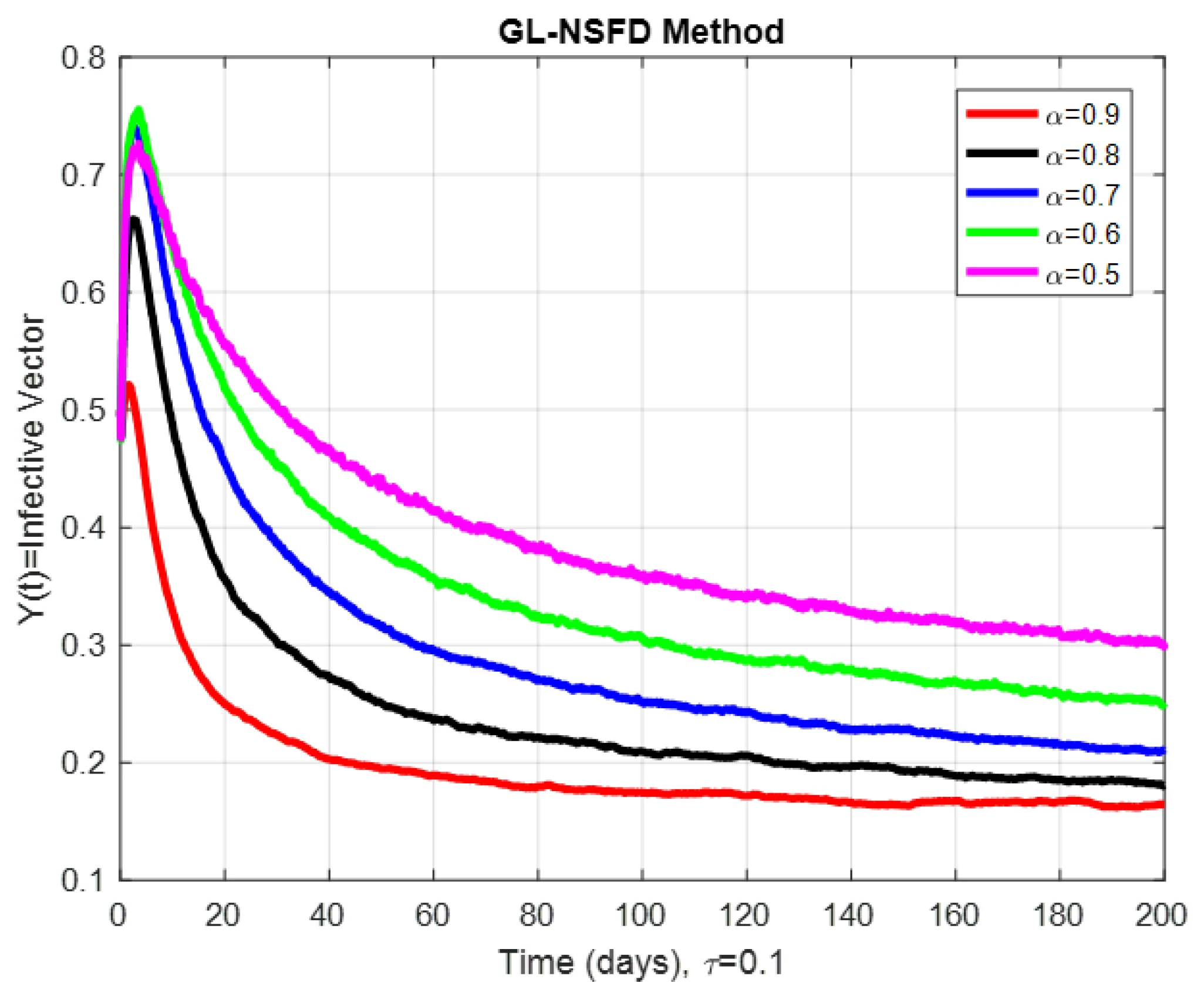
An interesting aspect of the research is the use of fractional mathematical modelling. This approach allows for a more realistic description of the infection's dynamics than traditional models, as it accounts for the memory effect. The resulting solution thus takes into account not only the current state of the infection, but also the epidemic's dynamics in the past.
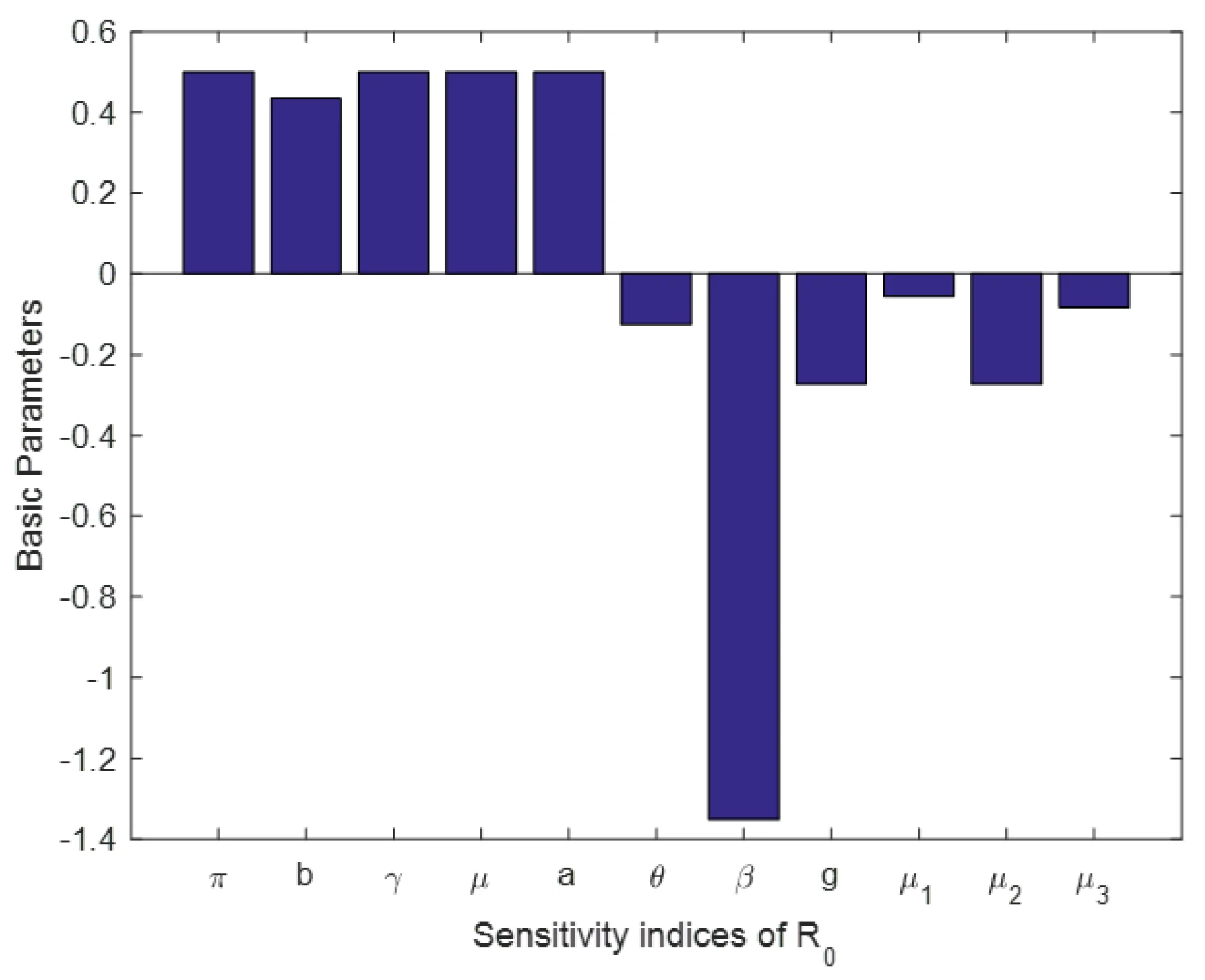
The study also included an analysis of the factors that most significantly influence the basic reproduction number (R₀)—an indicator that describes how quickly an infection can spread. This makes it possible to identify the parameters on which preventive measures for crop protection should focus. For example, the model allows for simulating the impact of various protection strategies, such as reducing the population of vectors, using protective nets, and removing infected plants.
Marek Lampart and Ali Raza, researchers from the IT4Innovations Quantum Computing Lab, contributed to the development of the mathematical model. The results of their research were published in the international scientific journal Fractal and Fractional.
Scientific papers
Fractional Modeling and Stability Analysis of Tomato Yellow Leaf Curl Virus Disease: Insights for Sustainable Crop Protection
https://doi.org/10.3390/fractalfract9120754
This work was supported by the Ministry of Education, Youth and Sports of the Czech Republic through the e-INFRA CZ (ID:90254), with the financial support of the European Union under the REFRESH—Research Excellence For Region Sustainability and High-tech Industries project number CZ.10.03.01/00/22-003/0000048 via the Operational Programme Just Transition, and by Grant of SGS No.SP2025/049, VŠB—Technical University of Ostrava, Czech Republic.